Our History 


Explore a rich legacy built over more than two centuries. Abyssinian Baptist Church stands as a beacon of faith, resilience, and community leadership, inspiring generations through worship, service, and a commitment to uplifting humanity. Discover key moments that define our extraordinary story. 

Historical Highlights 

The Beginnings of Abyssinian – 1808

The Abyssinian Baptist Church was born from a desire for freedom and independence in worship. Seeking to break away from racial segregation in religious spaces, the church was established and made its first home on Anthony Street (now Worth Street). This pioneering spirit has continued to guide Abyssinian throughout its history.  

Growth and Establishment – Mid-19th Century  

By 1859, Abyssinian had grown significantly, becoming an incorporated entity focused on faith and community service. A move to Greenwich Village marked a growing presence in the city, aligning with the needs of the vibrant African American community of Little Africa.  

A Transformation in Harlem – Early 20th Century  

The Harlem Renaissance ushered in a pivotal chapter for Abyssinian. By 1920, the church set its roots on West 138th Street, constructing a Gothic-style sanctuary that became a hub for worship and social engagement. Groundbreaking architecture paired with an unwavering faith marked this transition.  

The Powell Legacy – 1908 to the 1940s  

Rev. Dr. Adam Clayton Powell, Sr. championed a social gospel during his tenure, transforming the church into a force for change. From feeding Harlem’s needy during the Great Depression to guiding spiritual activism, he set the stage for lasting humanitarian outreach. His son, Rev. Adam Clayton Powell, Jr., carried this torch forward, blending ministry with powerful political advocacy that reached national and international platforms.  

Civil Rights and Beyond – Mid-20th Century 

Hosting towering figures like Dr. Martin Luther King, Jr., Abyssinian became a keystone in the civil rights movement. The church amplified voices calling for justice, equality, and unity, embodying its mission to serve humanity at the forefront of societal change.   

Community Development – Recent Decades  

Under the leadership of Rev. Dr. Calvin O. Butts, III, Abyssinian extended its legacy. The Abyssinian Development Corporation revitalized Harlem through housing, education, and youth initiatives, including notable projects like the Thurgood Marshall Academy and countless faith-driven community programs.  

A Faithful Response to Modern Challenges  

Through global crises such as COVID-19, Abyssinian has risen as both a spiritual and practical resource. From serving as a vaccination site to partnering with public health initiatives, the church continues to support and strengthen its community with unwavering diligence.  

Our Pastors 

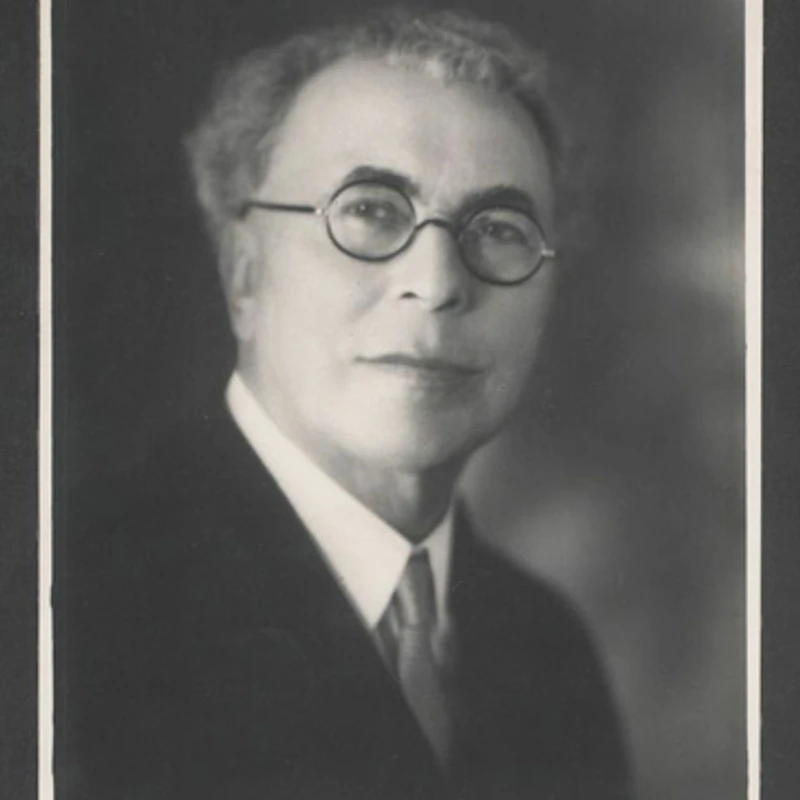
Rev. Dr. Adam Clayton Powell, Sr.

Rev. Dr. Adam Clayton Powell, Sr.

On December 30, 1908, during Abyssinian’s centennial celebration, the Rev. Dr. Adam Clayton Powell, Sr., a young gospel giant from Immanuel Baptist Church in New Haven, CT., was appointed as the church’s 17th pastor, marking the beginning of a transformative chapter in its history, famously known as “The Powell Years.”  Reverend Powell, Sr. spent his first 12 years as pastor re-organizing the church to function more efficiently. Having observed the large numbers of Black people migrating to New York City, especially Harlem, Powell Sr. was convinced that these newcomers needed a church to support their transition. He envisioned building a model church in Harlem that would serve as both a place of worship and a place for community gatherings. Reverend Dr. Powell, Sr. was committed to and successful in shaping the Church’s ministry to the needs of the Central Harlem community of the 1920s. He erected the Community House that served as the hub for youth activities, basketball games, classes and meetings. While Powell Sr. and his family occupied the top floor of the Community House, other floors held classrooms where church and community members met to learn skills such as dressmaking, typing and civil service test preparation. Abyssinian’s current Fellowship Hall/Aby Café (soon to be home of the church’s archives) was once the community gymnasium.

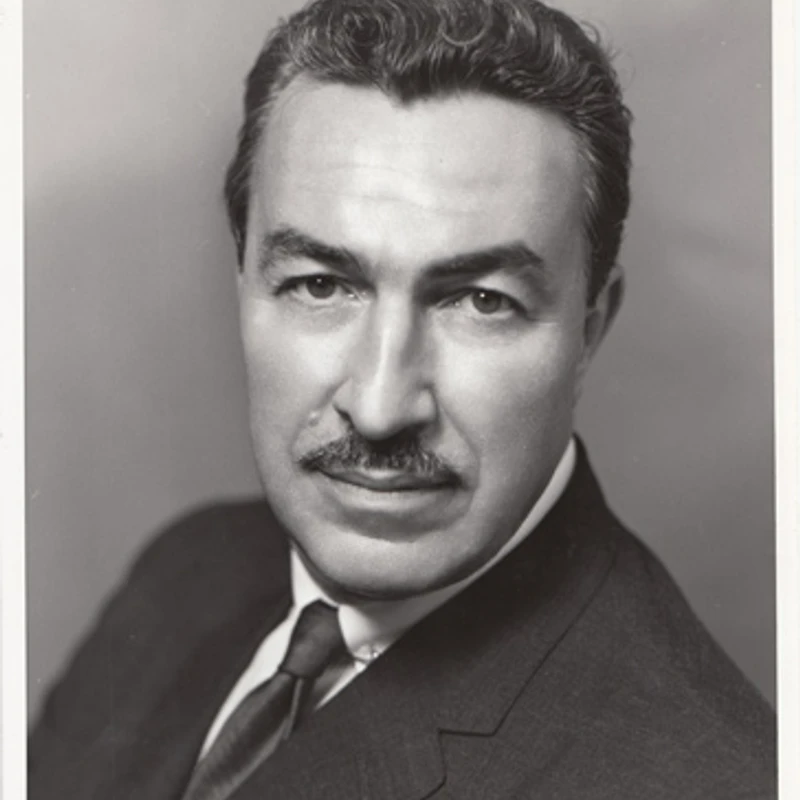
Rev. Adam Clayton Powell, Jr.

Rev. Adam Clayton Powell, Jr.

In 1937, Reverend Dr. Powell, Sr. was succeeded by his son, Reverend Adam Clayton Powell, Jr., affectionately known as “Adam.” Adam Jr.’s passion for justice and social change led him to blend his ministry with a political career. His fight for racial and economic justice carried him from the New York City Council to the United States Congress. Reverend Congressman Powell served 14 terms in Congress, and he ultimately became Chairman of the House Committee on Education and Labor. During Adam Jr.’s pastorate, Abyssinian grew to 18,000 members, making it the largest Protestant church in America. Abyssinians were proud that their Pastor was also a leader in the struggle for fair and equitable government. Under Adam Clayton Powell, Jr., Abyssinian offered full-time weekday activities for members and the Harlem community, supported the Suehn Industrial School in Liberia, West Africa, and provided consistent spiritual nourishment for all seeking Jesus. The Abyssinian congregation engaged in boycotts and picketing for the elimination of racial discrimination and for the establishment of better healthcare and broader employment opportunities for African Americans.

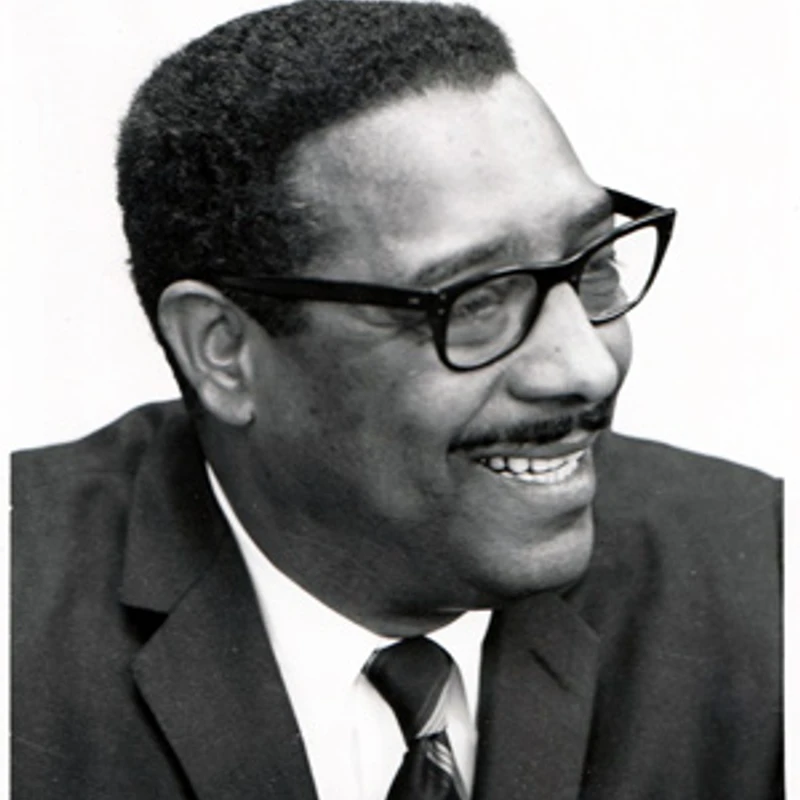
Dr. Samuel DeWitt Proctor

Dr. Samuel DeWitt Proctor

In April 1972, after Adam Jr.’s passing, Reverend Dr. Samuel DeWitt Proctor was called to lead The Abyssinian Baptist Church. Dr. Proctor was a superbly trained clergyman with a distinguished career as President of Virginia Union University, North Carolina A&T University and as a Martin Luther King, Jr. Memorial Professor at Rutgers University. Acclaimed as one of America’s most celebrated preachers, Dr. Proctor assured that Abyssinian continued to promote Christian values while remaining an uncompromised voice for justice in the nation and around the world. During his tenure, Abyssinian’s ministry expanded to include several major housing projects for senior citizens, the homeless, and middle-income families. Additionally, through Dr. Proctor’s efforts, fine arts became a significant part of Abyssinian’s evangelistic programming. Not only was the church’s five-manual, 67-rank Schantz organ installed, The New York Philharmonic, Leontyne Price, Andre Watts, Billy Taylor and many other renowned artists were regular performing guests. Dr. Proctor engaged several young ministers to work with him in the task of building Abyssinian. Reverend Calvin O. Butts, III was one who arrived in the early ’70s, as a youth minister, with a sincere commitment to the further building of God’s kingdom on earth. By the 1980s, Reverend Butts ably assisted Dr. Proctor as Executive Minister, giving particular attention to Abyssinian’s daily activities, weekly services and concerns of the African American community at-large. 

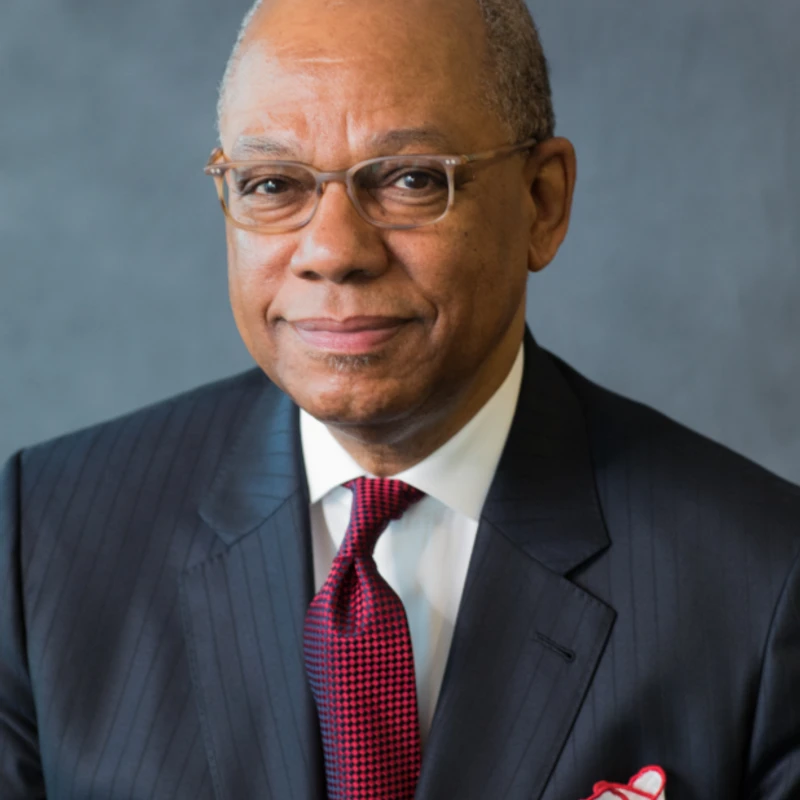
Rev. Dr. Calvin O. Butts, III

Rev. Dr. Calvin O. Butts, III

Following Dr. Proctor’s retirement, on November 12, 1989, Reverend Dr. Butts was installed as the 20th Pastor of The Abyssinian Baptist Church in the City of New York, Inc. Under his leadership, Abyssinian served at the forefront of revitalizing Harlem. Reverend Butts led the fight against police brutality in New York City, as well as a nationally acclaimed and most effective campaign to eliminate negative billboard advertising in Central Harlem. He also called attention to the adverse effects of popular culture on youth through his ardent fight and public campaign against negative lyrics and images in the recording industry.  r. Butts was one of the founders and later chairman of the Abyssinian Development Corporation, a comprehensive, community-based, not-for-profit organization responsible for over $1 billion in housing and commercial development in Harlem.  e founded the Thurgood Marshall Academy for Learning and Social Change—a public, state-of-the-art intermediate and high school that became the first new intermediate and high school built in Harlem in more than 50 years. Dr. Butts was also the visionary behind the Thurgood Marshall Academy Lower School. Notable projects completed under his pastorate include: Abyssinian House, a transitional housing facility for homeless families; Abyssinian Towers, a senior citizens' apartment building; middle-income condominiums; and The Rev. Dr. Calvin O. Butts, III Cultural and Education Center on West 138th Street adjacent to the church. In September 1999, Dr. Butts was installed as President of the State University of New York College at Old Westbury, retiring as President Emeritus in 2021. He also served as a member of President Barack Obama's Advisory Council on HIV/AIDS (PACHA). Dr. Butts' tenure as senior pastor of Abyssinian Baptist Church left an indelible mark on both the congregation and the wider Harlem community. His leadership transcended the pulpit, impacting education, housing, social justice, and community development. When Dr. Butts passed away in October 2022, he left behind a legacy of spiritual guidance intertwined with practical action—a powerful example of faith-based leadership setting a standard for transformative community impact in the 21st century.